
 русский
 Français
 Español
 Deutsch
 عربى

Cordless Shaver For Face: Applications, Selection Criteria, and Practical Guidance
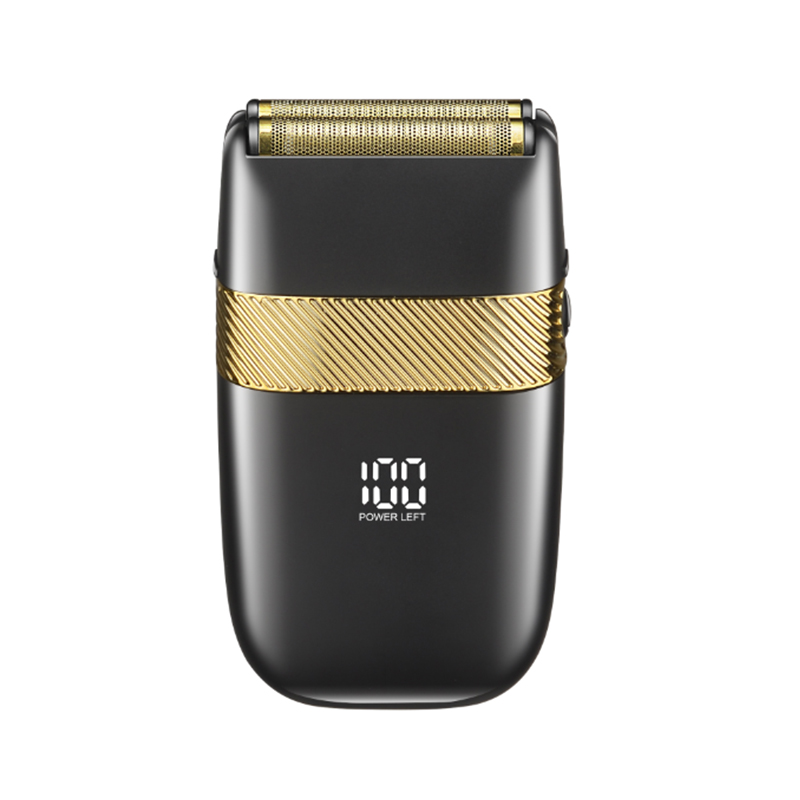
At 7:10 on a weekday morning, one cheek is smooth, the other is half-finished, and the shaver’s battery light drops from green to amber. That small moment explains why “cordless shaver for face” is not a single buying decision. A useful cordless face shaver balances cutter design, motor behaviour, skin contact, charging routine, and cleaning effort. The right choice is the one that fits how often you shave, how sensitive your skin is, whether you travel, and, for trade buyers, whether the product can be repeated at stable quality. Start with the cutting system, then match the battery and skin interface around it.
Start With The Cutting System, Not The Battery Number
A face shaver removes hair through two main architectures: foil and rotary. Foil shavers use a thin perforated metal screen over oscillating blades. They tend to suit straight, controlled strokes along the jaw, cheek, and neck, and they can deliver a close, even result when the user shaves daily. Rotary shavers use circular cutter heads that follow facial contours and often handle longer or flat-lying hair with less directional precision. Neither type is universally better. The practical question is whether the cutter matches beard density, growth direction, and the user’s patience with technique.
For a cordless shaver for face use, look beyond the number of cutters. Check the contact geometry: floating heads, rounded foil edges, and a flexible neck can maintain skin contact without requiring heavy pressure. Also check the blade material and replacement path. Stainless steel cutters resist corrosion, but the larger issue is whether replacement heads remain available two or three years after purchase. A shaver with an excellent first shave but no replacement supply becomes disposable hardware.
Users who shave every day usually benefit from a foil or reciprocating system with a mild contact profile. Users who shave every two or three days, or who have coarser growth, may prefer a rotary or hybrid approach that captures longer hair before finishing. The same logic applies to product development: a platform intended for daily face shaving should not borrow a body-groomer cutter geometry simply because it is already in the catalogue.
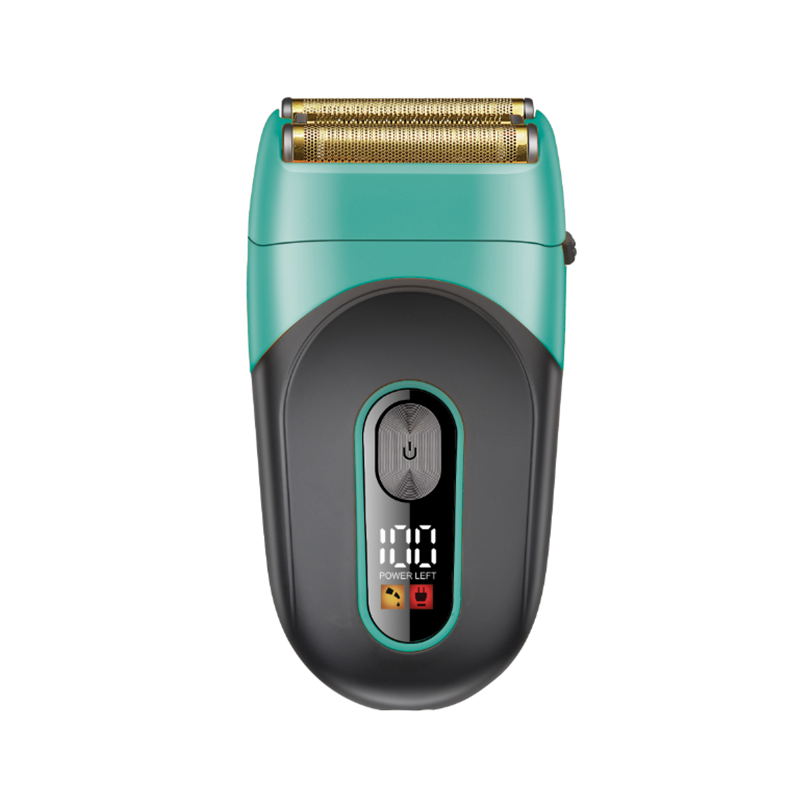 LT-863 Close-Fitting Reciprocating Shaver for Daily UseA daily-use reciprocating shaver with USB charging and around 60 minutes of runtime, relevant for readers weighing practical battery life over lab figures.View Product →
Battery Runtime And Motor Behaviour Decide Daily Usability
Battery capacity alone is a weak specification. A cordless face shaver needs enough usable runtime after real-world losses, not just a laboratory figure. For daily face shaving, a practical target is roughly 45 to 60 minutes of cutting time per charge, with a full charge completed overnight or a quick-charge option for emergencies. Travel users should also consider USB charging, a travel lock, and whether the charging cable is proprietary. A shaver that only charges on a dedicated stand is less convenient for a gym bag or a short business trip.
Motor behaviour matters as much as runtime. A motor that slows noticeably under a dense beard increases pulling and repeated passes. “Intelligent power adjustment” is useful only when it responds to load without making the shaver sound unstable. Noise is another signal: a shrill, rattling motor often indicates insufficient damping or a loose cutter assembly. Quieter operation is not automatically better for cutting performance, but it usually improves user confidence and reduces vibration fatigue during a two- or three-minute shave.
Buyers should also ask how the battery is managed. Lithium-ion cells lose capacity over time, and a sealed, non-replaceable battery sets the practical service life of the product. For personal use, two to three years of daily shaving is a reasonable expectation from a well-managed cell; for OEM programmes, the cell choice, charging circuit, overcharge protection, and ageing test method should be fixed in the specification rather than left to the assembly line.
If long intervals between charges are a priority, compare real runtime claims and charging time together. A compact travel shaver may trade runtime for size, while a full-size model may offer a larger cell and faster charging. The useful comparison is minutes of cutting per charge, minutes to recover a usable charge, and whether the shaver can run while plugged in. That last point matters when the battery is nearly empty and the user has no time to wait.
For buyers comparing battery-led designs, this guide to a long battery life shaver explains how runtime, cell choice, and charging habits interact in everyday use.
| Use pattern | Runtime focus | Charging preference | Cutter priority | Maintenance load |
|---|---|---|---|---|
| Daily home shaving | 45–60 minutes per charge | Overnight charge or quick charge | Comfortable skin contact and replacement heads | Rinse after each use; lubricate cutters periodically |
| Frequent travel | 30–45 minutes with compact body | USB charging and travel lock | Protected cutter head and cap | Dry-brush cleaning; avoid leaving wet |
| Coarse or every-other-day growth | Stable power under load | Fast recharge matters more than maximum runtime | Hair-entry geometry and torque retention | More frequent cutter cleaning |
| Sensitive skin | Enough runtime to avoid rushed passes | Full charge before use | Rounded edges, floating contact, low pressure | Clean and dry thoroughly after each shave |
| OEM retail programme | Declared runtime with ageing margin | Regional plug options and certification | Repeatable cutter alignment and supplier control | User-cleanable design and spare-part plan |
Skin Contact, Pressure, And The Face-Shaving Interface
Face skin is not uniform. The cheeks tolerate more pressure than the upper lip, the neck curves in two directions, and the jawline can trap hair against the skin. A cordless shaver for face use should therefore be judged by contact quality, not by the force a user must apply. Floating cutter heads, a pivoting neck, and rounded foil edges help the shaver follow these changes. If the user has to press hard to get a close shave, the cutter or motor is probably not matching the beard.
Wet-and-dry capability adds flexibility, but it also raises cleaning and sealing requirements. A shaver marketed for wet use should have clearly stated water-resistance and a drying routine that prevents residue around the cutter block. For sensitive skin, a dry shave with a clean, lubricated cutter is often more predictable than a rushed wet shave with shaving foam left in the head. Users with post-shave irritation should reduce pressure, shave after a warm shower, and avoid switching repeatedly between electric and manual razors during the same week.
Product teams should define the skin-contact target before choosing the shell shape. A slim head may look elegant but flex poorly on the neck; a larger head may improve coverage but obscure the upper lip. The balance is easiest to test with a small panel of users who have different beard patterns, not with a single “close shave” demonstration. For a more detailed comparison of low-irritation designs, see this guide to the best shaver for sensitive skin.
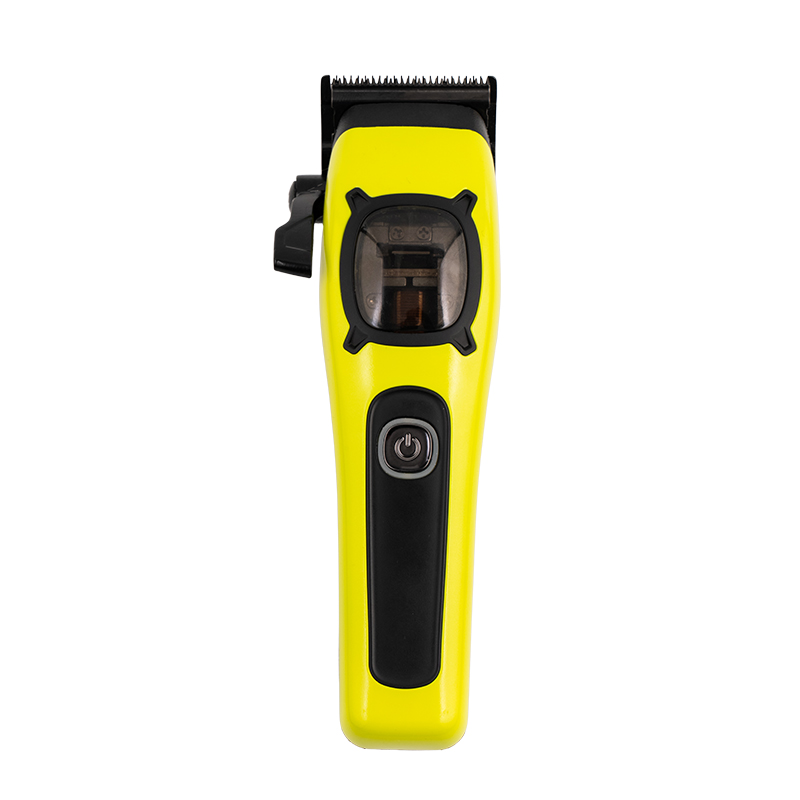
LT-865 Quick-Charge Reciprocating Shaver for GentlemenA black reciprocating shaver with USB quick charging and about 70 minutes of use, suited to buyers comparing routine grooming performance and cleaning needs.View Product →A Practical Buying Checklist For Consumers
Before buying a cordless face shaver, test the decision against the routine it must survive. A shaver that performs well in a showroom but needs thirty minutes of cleaning will soon be replaced. Use this checklist to separate useful features from packaging claims.
- Beard pattern: daily fine growth, patchy growth, coarse hair, or flat-lying neck hair.
- Skin response: redness, razor burn, ingrown hairs, or sensitivity to pressure.
- Battery routine: overnight charging, USB travel charging, or quick top-ups before work.
- Cleaning access: removable cutter block, rinseable head, and a brush that reaches the corners.
- Replacement supply: cutter heads and foils available at a sensible price.
- Noise and vibration: comfortable for a two- to three-minute daily shave.
- Travel details: cap, lock, pouch, and whether the charger is shared with other devices.
- Warranty terms: battery coverage, water damage exclusions, and local service path.
Price should be judged against the replacement cycle. A lower-cost shaver with unavailable cutters is expensive over three years. A higher-cost model with a sealed battery and no service support has the same problem. The sensible middle ground is a shaver with a replaceable cutter set, a documented charging specification, and a body that can be cleaned without dismantling the motor compartment.
What OEM Buyers Should Verify Before Ordering
For importers, distributors, and private-label brands, the keyword changes from “which shaver should I buy?” to “which cordless face shaver platform can I repeat at stable quality?” The visible product is only part of the programme. The specification should pin down cutter material, motor type, no-load and loaded speed, battery cell, charging current, runtime after ageing, water-resistance level, drop test, noise range, and packaging drop height. Without those values, two production lots can look identical and shave differently.
Compliance is another gate. CE and RoHS are common baseline requirements for European-facing personal-care appliances, but they are not a complete quality system. Buyers should ask for test reports that match the actual SKU, not a generic certificate for a product family. Battery transport documentation, charger safety, and labelling requirements also vary by market. A factory that claims independent export rights should be able to connect those documents to the shipment, not only to the catalogue.
Laituo’s public company profile describes an OEM/ODM operation in Yuyao with a production base of more than 1,000 square metres, nearly 100 employees, automated assembly lines, and products shipped to more than 30 countries. Those facts are useful for an initial capability screen, but they do not replace a sample audit. A buyer should request pre-production samples from the same tooling and line setting intended for mass production, then compare cutter alignment, housing fit, switch feel, charging behaviour, and noise after a short ageing run.
For a quiet model in a shared household, office, or early-morning routine, motor damping and cutter balance deserve specific attention. A low-noise claim should be tied to a measured range and a test position, not only to a product name. The same discipline applies to “skin-safe” or “close-fitting” language: those are outcomes of geometry and pressure, and they should be demonstrated with a defined test method.
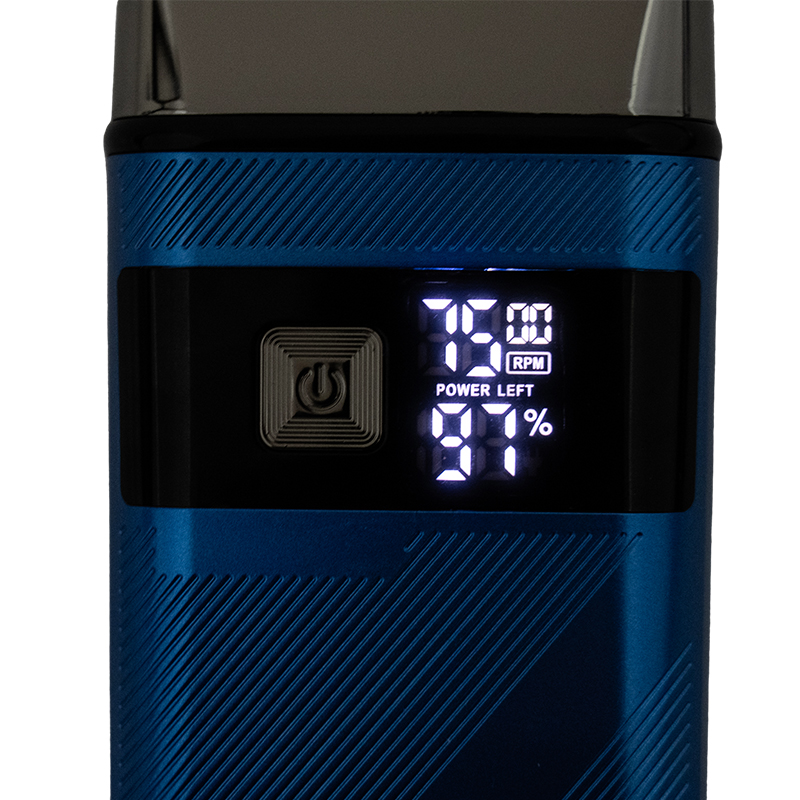 LT-858 Silent Waterproof Reciprocating Shaver for MenA fully washable, low-noise reciprocating shaver with about 150 minutes of runtime, useful for shared or early-morning routines and easy head cleaning.View Product →
Care, Cleaning, And Replacement Cycles
A cordless face shaver loses performance quietly. Cutters collect skin cells, shaving gel residue, and fine hair dust; the motor then works harder, and the user presses harder to compensate. Rinse or brush the head after each use, let it dry fully before closing the cap, and lubricate the cutter block at the interval recommended by the manufacturer. Do not wash a non-washable body, and do not use compressed air directly into the motor opening.
Replace cutters when the shaver starts pulling, when the foil shows visible wear, or when a clean and lubricated head no longer gives the usual result. For daily use, twelve to eighteen months is a common replacement window, but beard density and cleaning habits can shorten it. Battery performance should be reviewed at the same time. If runtime has fallen sharply, the cell may be near the end of its useful life even though the cutters still look acceptable.
A cordless shaver for face is a small system: cutter, motor, cell, seal, and cleaning routine. The best choice for an individual is the one that matches beard pattern and skin response without demanding heroic pressure or daily maintenance. The best choice for a trade buyer is the one that can be specified, tested, and repeated without hidden variation. Decide which problem you are solving first; the feature list becomes much shorter after that.
+86-574-62151741
+86-13655842900
laituo@google.com
No. 22 Liufang Road, Yuyao Industrial Park, Ningbo City, China
Copyright © Yuyao Laituo Electric Appliance Co., Ltd. All Rights Reserved
OEM/ODM Hair Removal Tool Epilator Manufacturers
